Lyndsey WALSH
- TOP >
- Archives >
- Residency Program >
- Lyndsey WALSH
Research Residency Program
update: 2025.1.24
Lyndsey WALSH
| Participating Project | Research Residency Program |
|---|---|
| Activity Based | Berlin |
| City / Place stayed | Tokyo |
| Period | 2025.1 - 2025.3 |
Purpose of the residency
In 2019, Japan was the first country in the world to legalize the full-term gestation of human and nonhuman chimeric organisms to grow human organs and bodily components in nonhuman hosts. Walsh’s residency sets out to investigate the impending birth of these creatures. This residency aims to examine how the existence of technoscientifically generated chimeras has emerged from a long-standing legacy of chimeric creatures, monsters, and yōkaigaku (“the science of weirdness”) in Japan. This residency also aims to critically examine how chimeras in our emerging present are re-imagining possible futures and modes of being.
Plan during the residency
- Research yōkaigaku and explore the archives of Dr. Inoue Enryō at Toyo University
- Build transdisciplinary collaborative relationships and network with scientists at the University of Tokyo and Waseda University
- Research and collect materials related to contemporary monster culture in popular culture, video games, and media
- Gather protocols and technical knowledge
- Prototype artworks and exhibit outcomes during TOKAS Open Studio
Activities during the residency
During the residency, I built networking connections with both local artists and scientists, as well as art spaces such as BioClub Tokyo and metaPhorest. While on a research trip through the Kansai region, I gave a talk at Center for iPS Cell Research and Application at Kyoto University for the Institute for the Advanced Study of Human Biology, and I interviewed Dr. Misao Fujita. I traveled to Himeji to visit and interview Dr. Masanobu Kagawa, the head curator of Hyōgo Prefectural History Museum, about yokai culture and history in Japan. I also conducted local research trip visits at the Ainu Cultural Centre, Department of Electrical Engineering and Bioscience, Waseda University, and to many of the local galleries and museums in Tokyo. Lastly, I guest lectured at Keio University for the Samcara Lab at the Graduate School of Mediadesign. From my interviews and research trips, I wrote, directed, and animated a research film, which debuted at the TOKAS OPEN STUDIO.
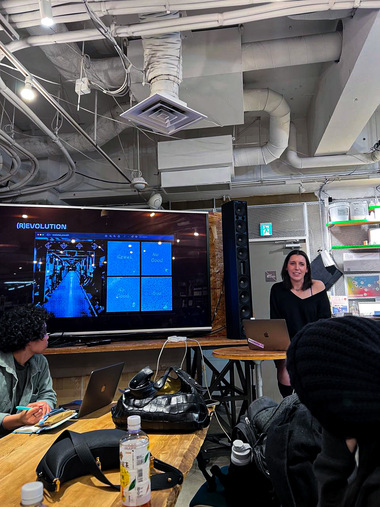
105th metaPhorest Seminar & BioClub Artist Talk: Lyndsey WALSH - Made with Blood, Sweat, and Tears
Photo: Jennifer Merlyn SCHERLER
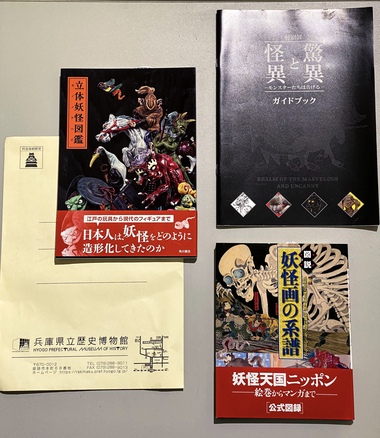
Dr. Masanobu Kagawa’s books on Yokai
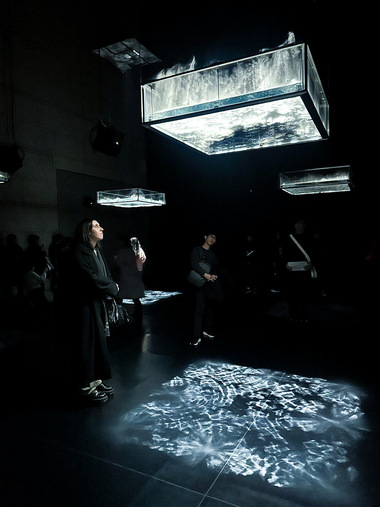
Visited Ryuichi Sakamoto Exhibition at MOT
Photo: CHEN Zhe
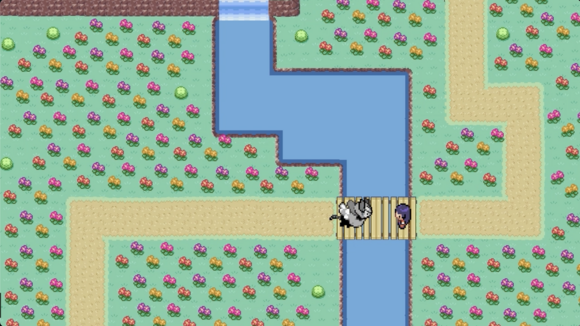
Animation Still from research video produced for TOKAS OPEN STUDIO
©Lyndsey Walsh
Overview of the residency
I found that I was very successful in networking with local artistic and scientific organizations in Japan. I made a lot of collaborative relationships that can be further developed into future projects. I also gained a lot of confidence in my own artistic practice and ability that I was lacking before my residency. Additionally, the supportive friendships I made during my residency have been invaluable to me both as a person and as an artist. Moving forward, I would prioritize working on topics that aim to prioritize transdisciplinary collaborations working more with ecology or areas not focused on biomedical topics, as I found it is very difficult to form intensively involved transdisciplinary collaborations with biomedical researchers within a 3-month period in Japan.
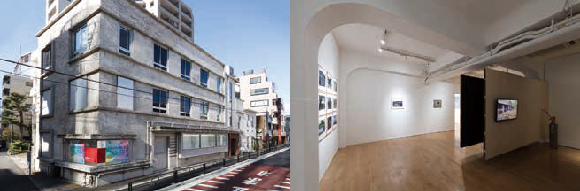
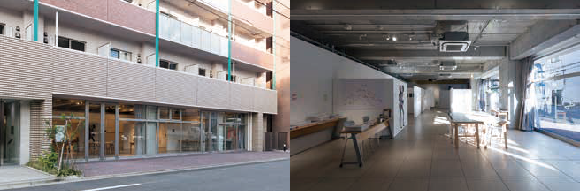
Our Facilities